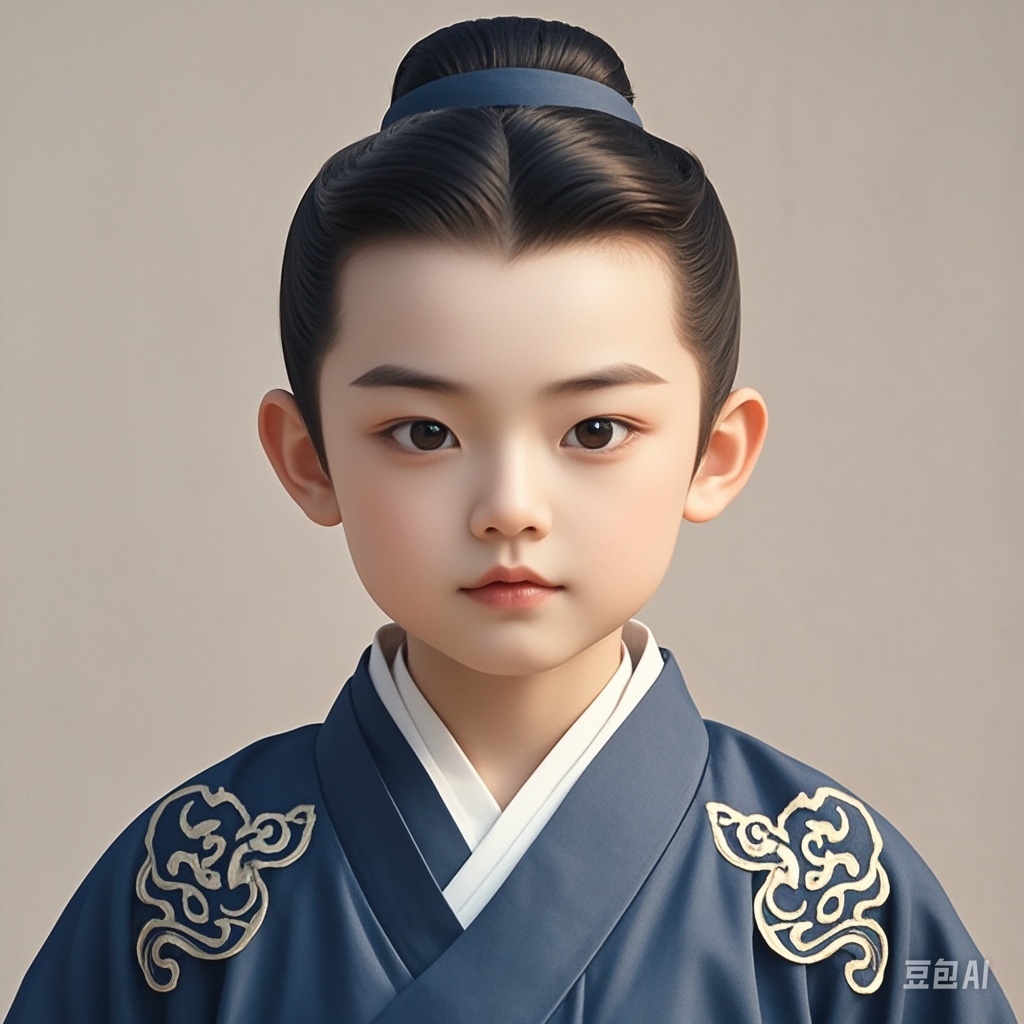
The Bamboo and the Wind
A young Taoist novice struggles with meditation until an old master teaches him the secret of the bamboo grove.
Xiao Chen had joined the mountain temple at the age of twelve. Now, at nineteen, he had memorized every sutra, performed every ritual, and could recite the Tao Te Ching backwards. But he could not meditate.
Every time he sat on his cushion, closed his eyes, and tried to empty his mind, it filled instead with noise — thoughts of home, of hunger, of the girl he had glimpsed at the spring festival five years ago, of whether he had left the temple gate unlatched.
"Master," he said one day in despair, "I have tried everything. Counting breaths, focusing on a candle flame, repeating the mantras. Nothing works. My mind is like a cage of monkeys."
The old master, who was sweeping fallen leaves in the courtyard, did not look up. "Come with me."
He led Xiao Chen to the bamboo grove behind the temple — a vast, swaying forest of emerald stalks that stretched up the mountainside as far as the eye could see. The wind was blowing, and the bamboos were singing — a gentle, rustling music that seemed to come from everywhere and nowhere at once.
"Sit," the master said.
Xiao Chen sat on a flat stone.
"Now listen."
"To what?"
The master smiled. "To the bamboo and the wind."
Xiao Chen listened. At first, he heard only noise — the clatter of stalks, the whisper of leaves. He was about to complain when something shifted.
He noticed that the sound was not random. There was a rhythm — a slow, breathing rhythm, like the inhale and exhale of a giant sleeping creature. The wind would rise, the bamboos would sway and sing, and then — silence. A pause. And then the wind would come again.
He breathed with it. Inhale when the wind rose. Exhale when it paused.
Minutes passed. Or hours. He could not tell.
His thoughts did not disappear — but they softened. They became like the wind itself — passing through, not clinging, not resisting. He was no longer a cage trying to contain monkeys. He was the open sky, and thoughts were just clouds drifting through.
"Master," he whispered, opening his eyes. The sun had moved from east to west. He had been sitting for half a day and had not felt it.
The old master was still sweeping leaves. "The bamboo does not resist the wind. It bends, it sings, and then it is still. Be like the bamboo, Xiao Chen. Let your thoughts pass through you, and after them — stillness."
From that day on, Xiao Chen meditated in the bamboo grove every morning. And though he never became a great sage, he became something perhaps more valuable — a peaceful man.
Years later, when a young novice came to him with the same complaint, Xiao Chen smiled and led him to the grove.
"Sit," he said. "And listen."
— The bamboo does not fight the wind. It dances with it. So must we dance with our thoughts — allowing, releasing, returning to stillness.